Others

10 Favorite Finds at the Korean Market (May 2026)

05.29.26

Last time I shared a list like this, I had so much fun. I genuinely enjoy shopping for ingredients and discovering reliable sources. Now that I’m teaching more in-person classes, sourcing has become an even bigger part of my work. These are some of my recent finds from the Korean market that I keep going back for. So, here are my top 10 finds right now (in no particular order).

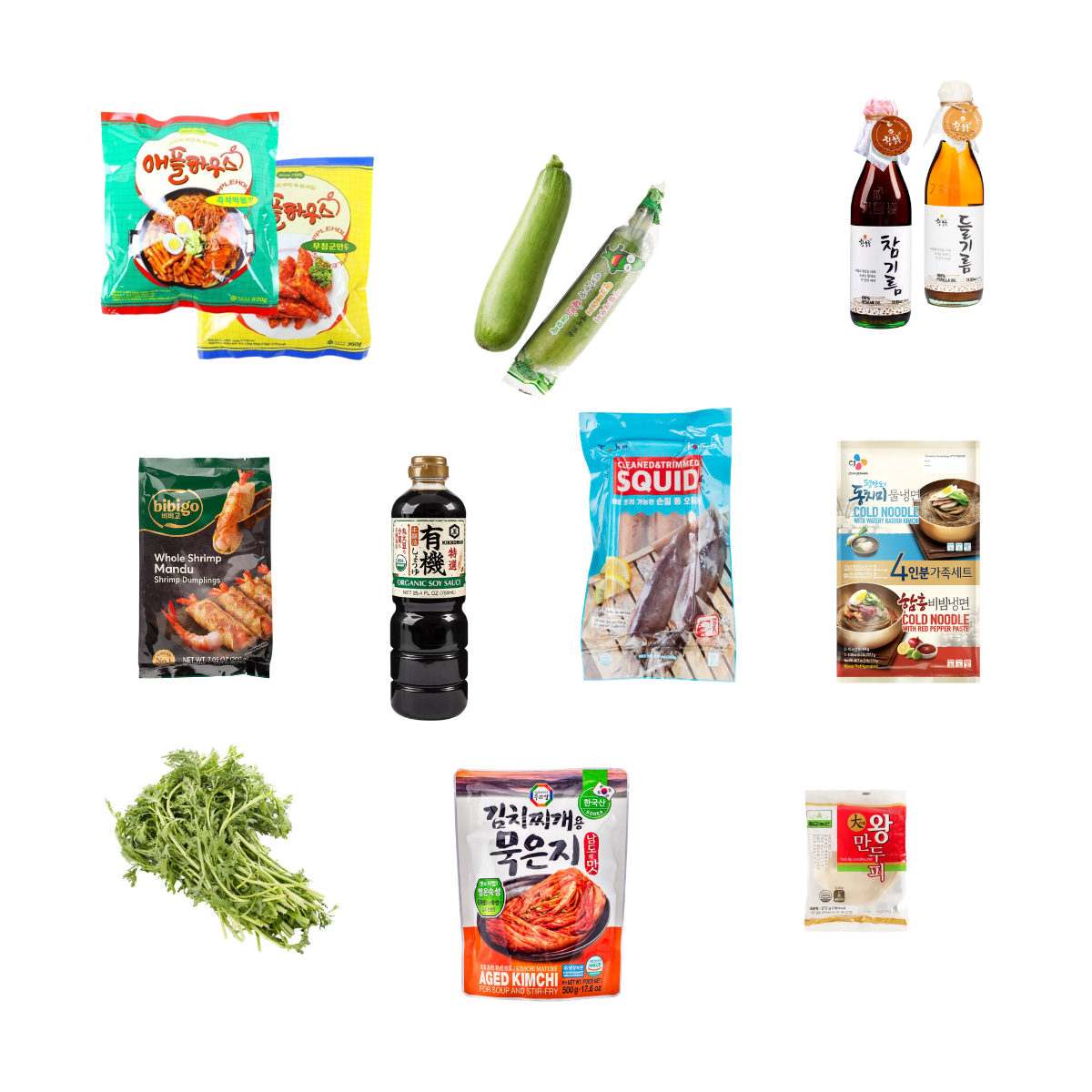
Apple House Tteokbokki & Mandu (애플하우스 떡볶이 / 무침만두)
Every now and then, my YouTube algorithm sends me down a rabbit hole of food factory videos, showing how things are made. That is how I came across the Apple House tteokbokki meal kits. I was excited to spot them at the Korean market recently. They are known for using clean ingredients and, of course, adding apple. A quick note: the mandu is quite spicy, but very good.

Ae Hobak Korean Squash (애호박)
Ae hobak is a Korean squash that appears often in my recipes. You can usually find it at Korean markets, tightly wrapped to prevent further growth and maintain its dense, sweet texture. I use it mostly in stir-fried banchan, Korean pancakes, and stews.

Sesame Oil & Perilla Oil (참기름 / 들기름)
These are two essential Korean oils that I go through quickly. I prefer buying them in smaller bottles rather than large canisters and storing them in the refrigerator to extend their shelf life. This particular brand offers great quality at a reasonable price, making it easy to restock often.

Bibigo Whole Shrimp Mandu (비비고 통새우 만두)
I remember how excited I was when I first spotted these, followed by immediate disappointment when I realized the package only contained five pieces. It felt a bit pricey. Recently, though, I found them at Costco in packs of five trays, which makes it much more worthwhile if you have freezer space. I like to pan-fry the bottoms and steam the tops.

Organic Soy Sauce (올가닉 간장)
The variety of soy sauces can feel overwhelming. If you are unsure which soy sauce to choose, this is my go-to for everyday use. I also like Sempio low-sodium soy sauce with added umami from kelp and mushrooms. Chosun guk ganjang, used in soups, is another staple in my kitchen.

Frozen Squid (냉동 오징어)
This is the best frozen squid I have found. It comes cleaned and trimmed, making it very convenient. I use it for squid stew or fried squid. I also like to blanch it briefly and serve it with a vinegary gochujang sauce.

Naengmyeon Duo (동치미 물냉면 / 함흥 비빔냉면)
This might be the most clever product I have seen this month. It includes four servings split between mul naengmyeon and bibim naengmyeon. I served it with boiled eggs, julienned cucumbers, and marinated galbi on the side.

Ssukgat Chrysanthemum (쑥갓)
Ssukgat is a leafy green often treated like an herb. While it is especially associated with spring, it is available year-round. I love its fresh, aromatic quality in tofu muchim or added to doenjang jjigae. It adds so much flavor.

Aged Kimchi for Stew (김치찌개용 묵은지)
I do not always have properly aged kimchi on hand for kimchi jjigae, so having a pack of this is very convenient. You can also mix it with regular kimchi to stretch it further. It works well every time. I usually order it through Weee.

Large Dumpling Wrappers (칠갑산 왕만두피)
I have been searching for a good dumpling wrapper for a long time, and this is one I really like. I ordered it through Wooltari. The wrappers are soft, chewy, and large enough to handle easily. I also like how thin they are. They are perfect for both meat and kimchi mandu.

Places to shop for these items: H Mart, Weee, Wooltari, and your local Korean market.
Kimchi

What I Learned About Kimchi from an Award-Winning Article

09.14.25
Photography by Sarah M. Park
 

Recently, I came across an award-winning article about kimchi: Andrea Geary’s “The Art and Science of Kimchi,” which received the 2025 James Beard Award. It was originally published in the September/October 2024 issue of Cook’s Illustrated, and a condensed version is also available online through America’s Test Kitchen. While countless articles and recipes have been written about kimchi, this is the first time I’ve seen one receive such a prestigious award. I read the full piece in the magazine, and I wanted to share some of my thoughts.

The article is thoughtfully organized, breaking down the process of making kimchi into clear categories. Ingredients are explained in detail, with step-by-step guidance. More importantly, it explains what happens during fermentation and explores the science of lactic acid fermentation. As Andrea notes, “Lactic acid bacteria are largely responsible for not only kimchi’s tang and funk but also the unique complexity from one batch to another. Those flavor gradations depend on the species of bacteria, the substrate, and the fermentation temperature, all of which work to produce secondary metabolite compounds that give each batch distinction.”  This gives readers a concrete sense of what is happening inside the jar. That every batch is unique. Many articles and recipes stop at showing how to make kimchi, but rarely do they go deeper into its life cycle once it’s made. The piece also highlights the art of kimjang, the communal tradition of preparing large batches of kimchi for the winter months. Andrea writes that “Many modern Korean households do kimjang on a small scale and have kimchi refrigerators that are calibrated for favorable fermentation conditions…the price of the raw materials or kimchi as well as the weather conditions as they relate to the harvest—and kimchi-making is woven into the elementary school curriculum.” which mirrors my own experience leading a kimchi class at a local Korean school.

Although Andrea’s article does an excellent job explaining the science behind kimchi, I would have liked to see more stories highlighting some of the myeong-in (명인) in Korea—masters who have dedicated their lives to preserving the craft and history of kimchi. UNESCO has only recently recognized kimjang as an intangible cultural heritage, and several U.S. states have officially designated November 22 as National Kimchi Day. These acknowledgments are meaningful, yet we still have more work to do to honor the depth of kimchi’s cultural significance. That said, the article earned its award for its strong writing and research, and I encourage you to read the original piece and the kimchi recipe shared by ATK.

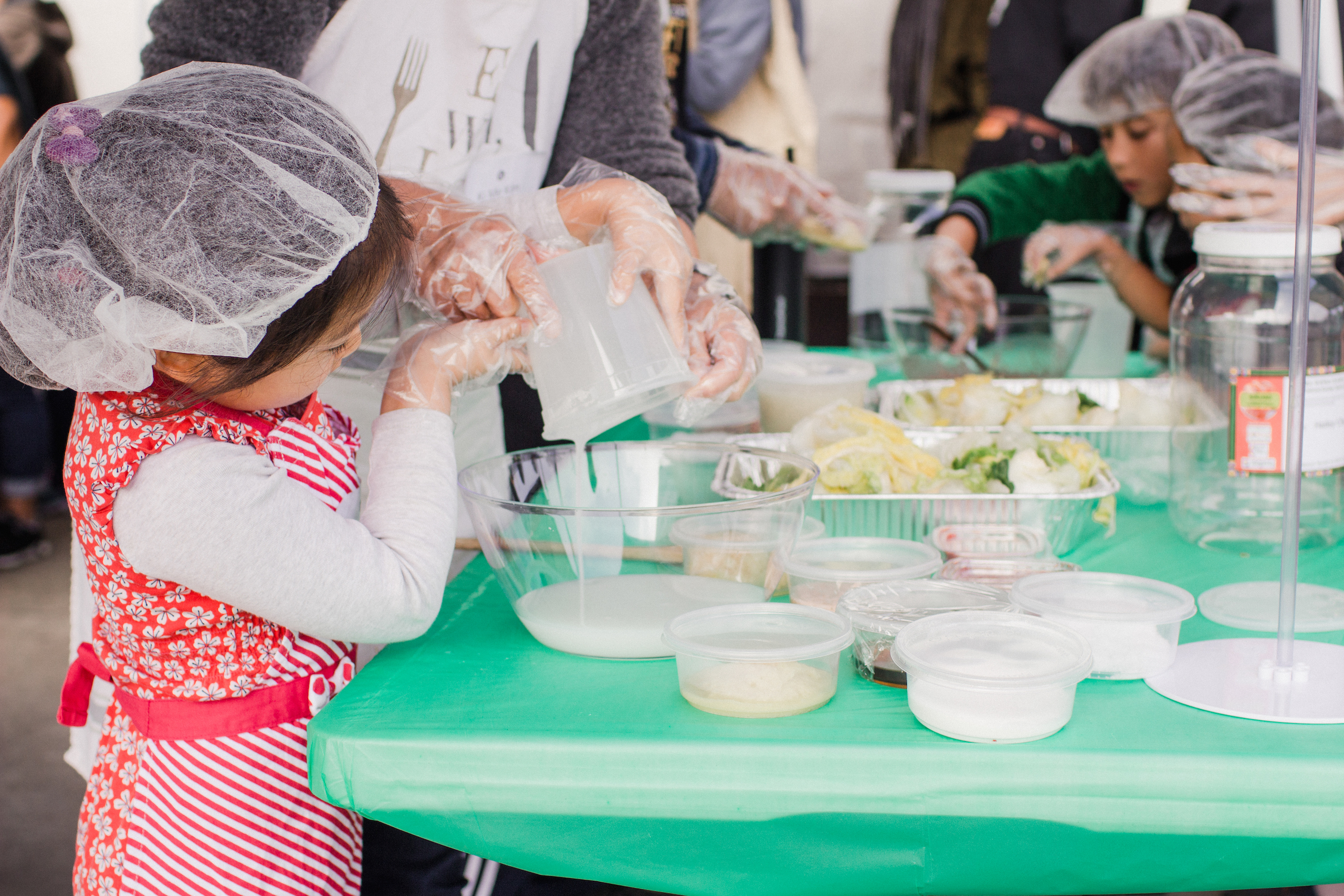
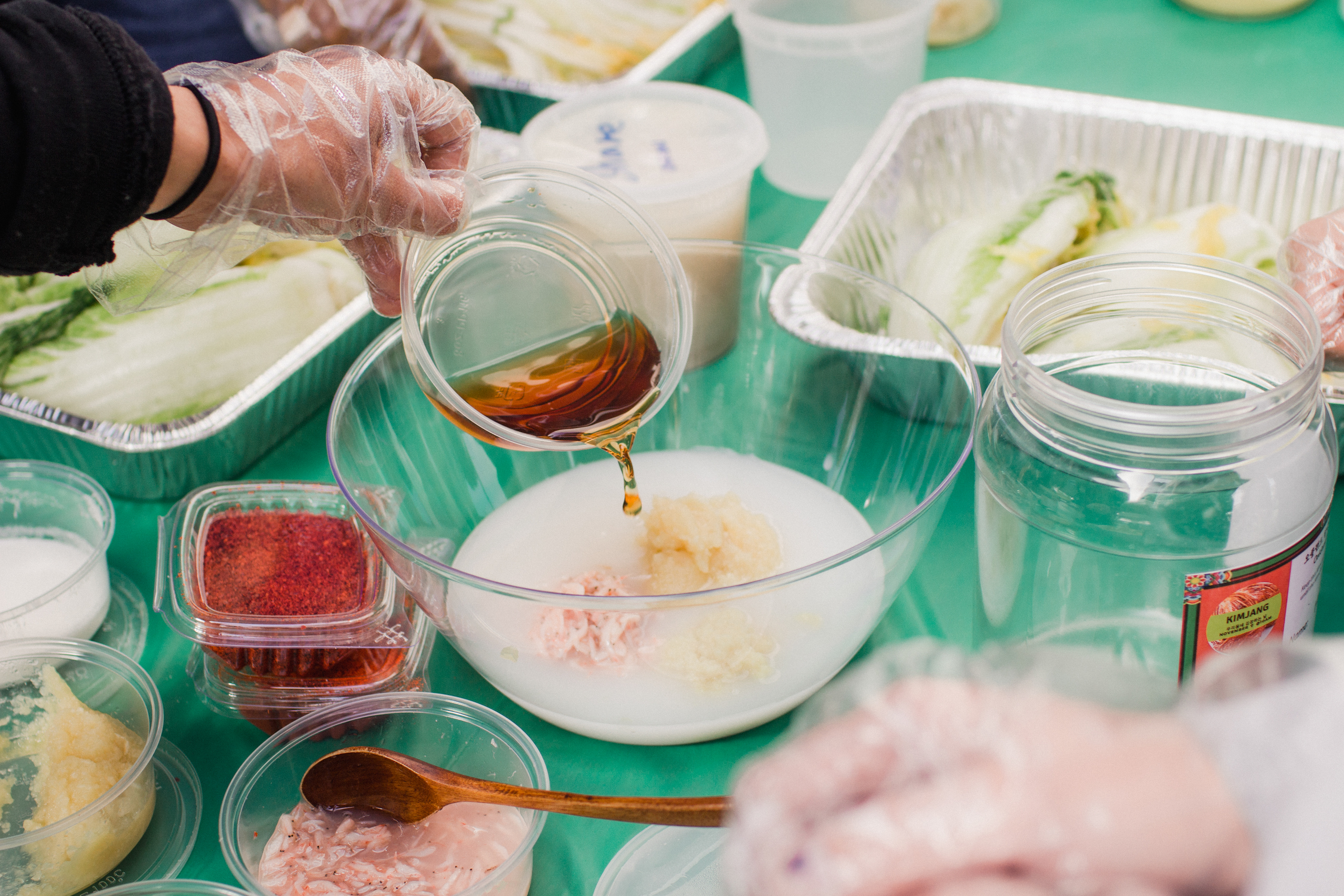
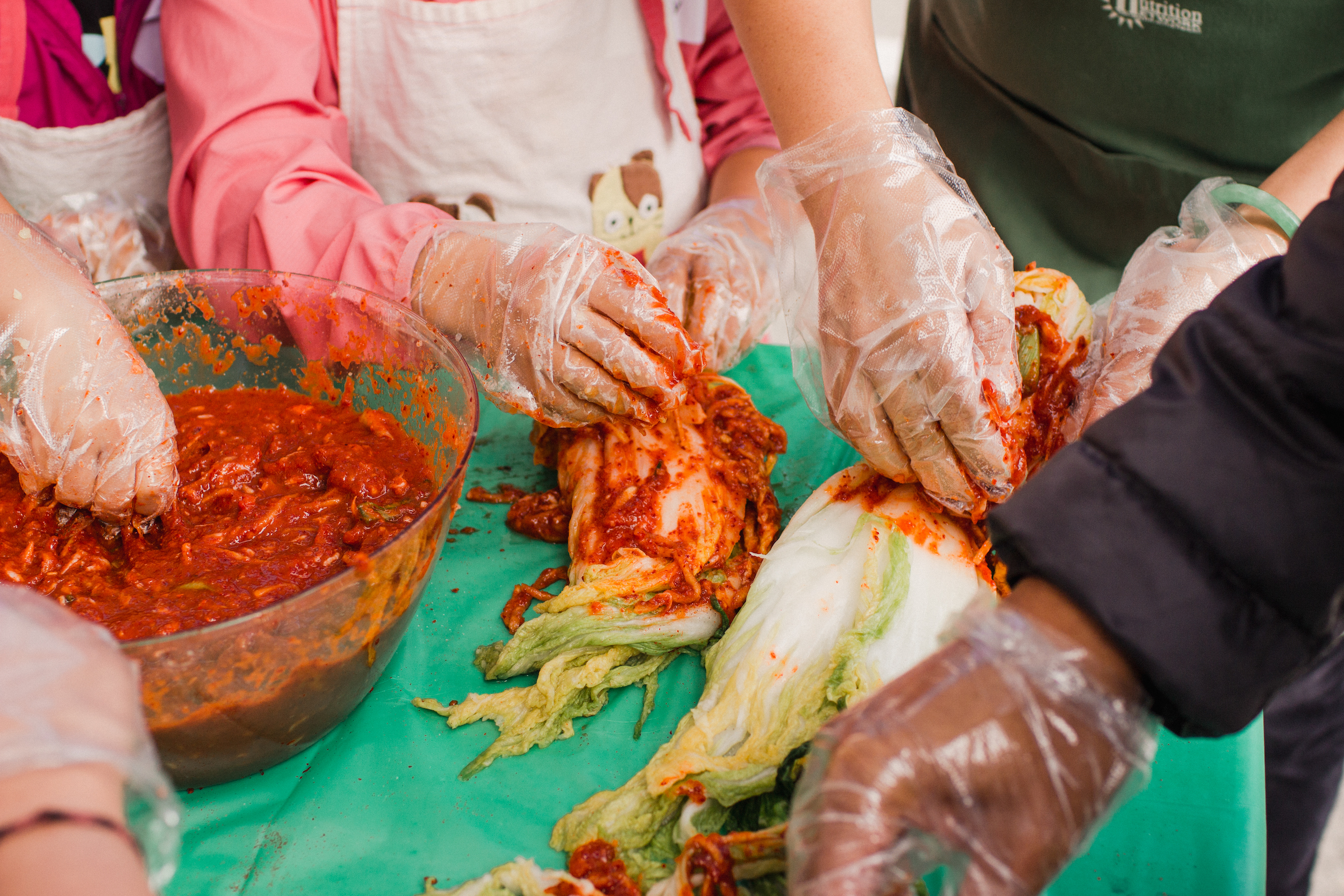
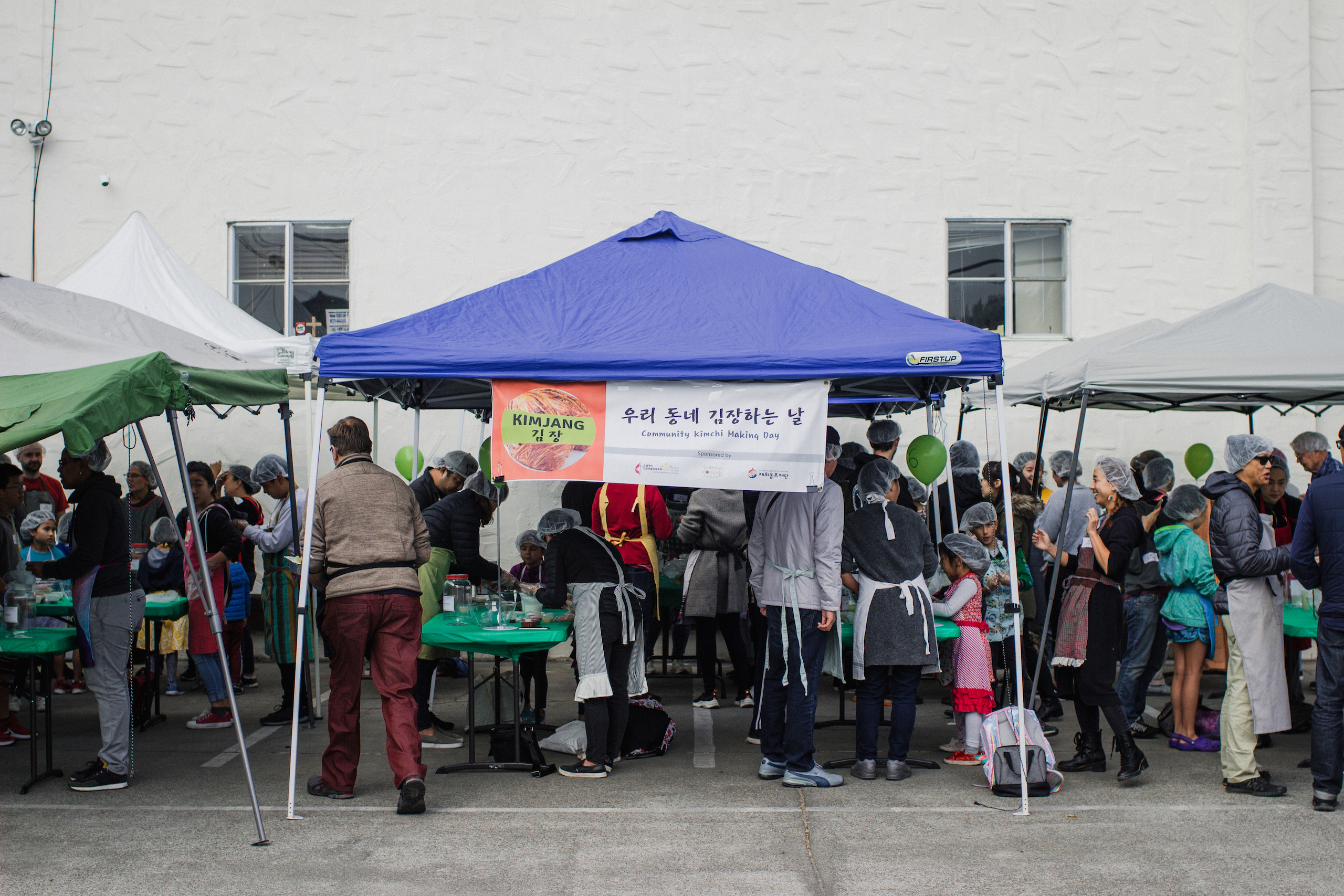
My own relationship with kimchi comes from making small batches throughout the year. I first learned through a local Korean school and church. Several years ago, I was invited to lead a kimchi-making class at that school. It was organized as a two to three-day event, designed not only to bring parents and students together but also to make enough jars of kimchi to share with Korean seniors in the community. It was a memorable experience, rooted in both tradition and generosity.

If you don’t have access to the ATK recipe, I’d be happy to share mine. Over the years, my version has undergone numerous variations and refinements. It began with the recipe I used at that community kimjang event and has since been simplified and adjusted for home cooks. Napa cabbage and Korean radish (mu) are at their peak from November through January, making late fall and winter the best time to prepare kimchi. I hope you give it a try. You can also join one of my private workshop sessions during those months to make kimchi together.

It is easy to feel conflicted when recognition for something so deeply tied to Korean culture goes to someone who is not Korean. I admit I have felt that way at times. But recognitions like this matter because they open doors for more stories, more writing, and more representation in mainstream food media. The Art and Science of Kimchi is one example, and I hope it leads to many more opportunities for kimchi and Korean food culture to be seen and celebrated.

In the end, reading Andrea’s article reminded me of my own hopes as a Korean recipe developer and cooking instructor. I would love the opportunity to create an in-depth feature on kimchi that not only explores the science but also shares the voices of the Korean experts who have devoted their lives to this craft. There are countless articles and features about them in Korean, but very few are available in English. My dream is to return to my home country, meet these masters in person, and bring their stories to a wider audience. Kimchi deserves to be celebrated not only as a recipe but as a living tradition, carried forward by the people who embody its history and culture.

Andrea Geary’s “The Art and Science of Kimchi” (Cook’s Illustrated, Sept/Oct 2024; also available on America’s Test Kitchen)


28. Pogi Kimchi (포기김치) Napa Cabbage Kimchi

Here is my latest recipe for pogi kimchi (quartered napa cabbage) with fermentation notes. I have made this kimchi every winter and also a few times at the private kimchi workshop. Hope you get a chance to give it a test run when Napa cabbage is in its best season (from November - January).
DOWNLOAD

Send Download Link To: